Commuter E-Bikes: Urban Mobility Reimagined
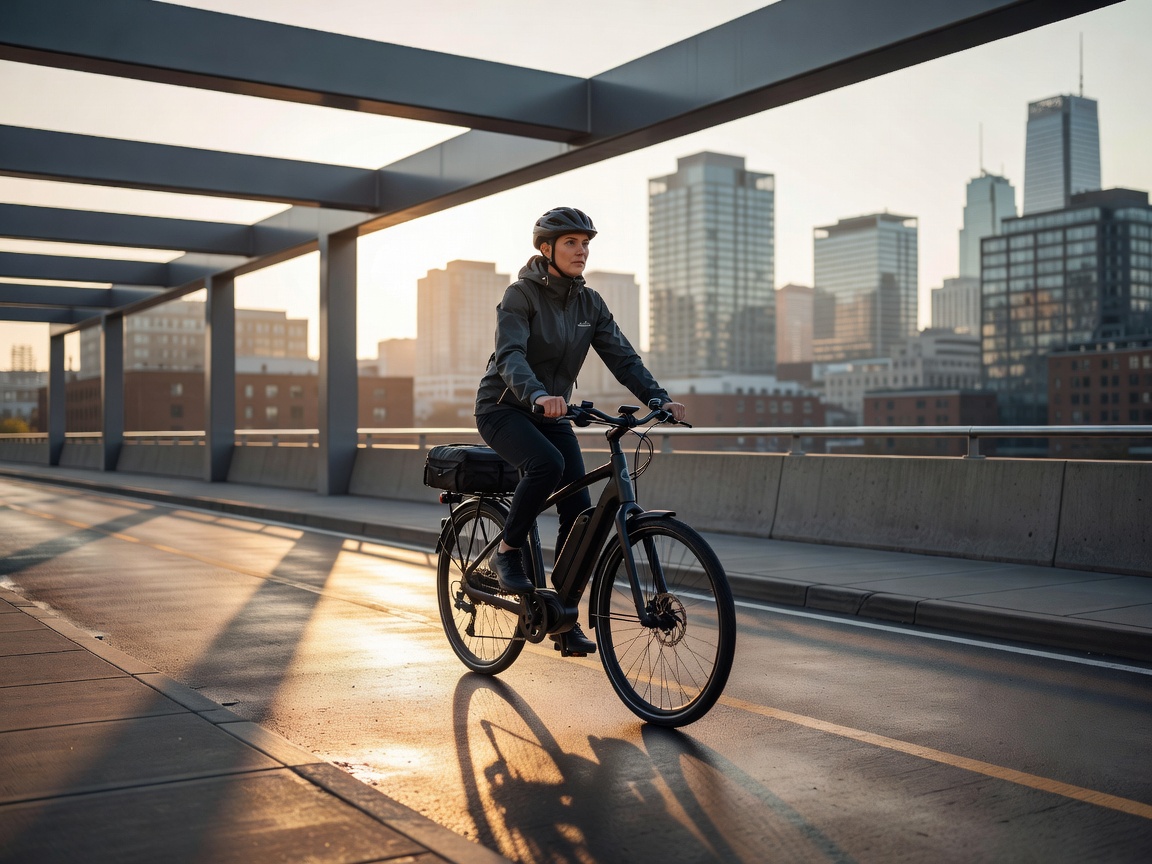
The urban commute has fundamentally changed. No longer are professionals arriving at the office drenched in sweat or locked in gridlock traffic. The modern commuter electric bike offers a kinetic journey that flattens hills and shrinks city distances.
Understanding E-Bike Classes
Before investing in a commuter model, it is crucial to understand the regulatory framework governing e-bikes in the United States and Europe. The standard three-class system dictates where you can ride.
- Class 1: Pedal-assist only, with no throttle. The motor provides assistance up to 20 mph. Ideal for shared bike paths.
- Class 2: Features a throttle in addition to pedal assist, capped at 20 mph. Popularized by brands like Rad Power Bikes.
- Class 3: Pedal-assist only, but the motor continues to provide power up to 28 mph. These "speed pedelecs" are strictly regulated and often barred from multi-use trails, but excel on roads and bike lanes.
Top Commuter Brands
When selecting a city bike, reliability is paramount. Trek’s line of urban e-bikes utilizes the proven Bosch Performance Line motor systems, providing seamless torque sensing. This means the motor responds instantly to how hard you pedal, creating a natural riding feel. For those navigating the steep inclines of cities like Seattle or San Francisco, a mid-drive motor is highly recommended over a rear hub motor due to its superior climbing efficiency.
Conversely, for flatter urban environments, hub-motor bikes from Specialized or Rad Power provide excellent value. They are generally more affordable and feature robust frames designed to carry cargo, groceries, or a child seat.
Essential Commuter Features
Integrated Lighting
Running off the main battery, built-in lights ensure you are visible during pre-dawn or dusk commutes without worrying about charging separate AA batteries.
Fenders and Racks
True commuter bikes come stock with full-coverage fenders to block road spray, and heavy-duty rear racks for pannier bags.