Range and Battery Life Explained
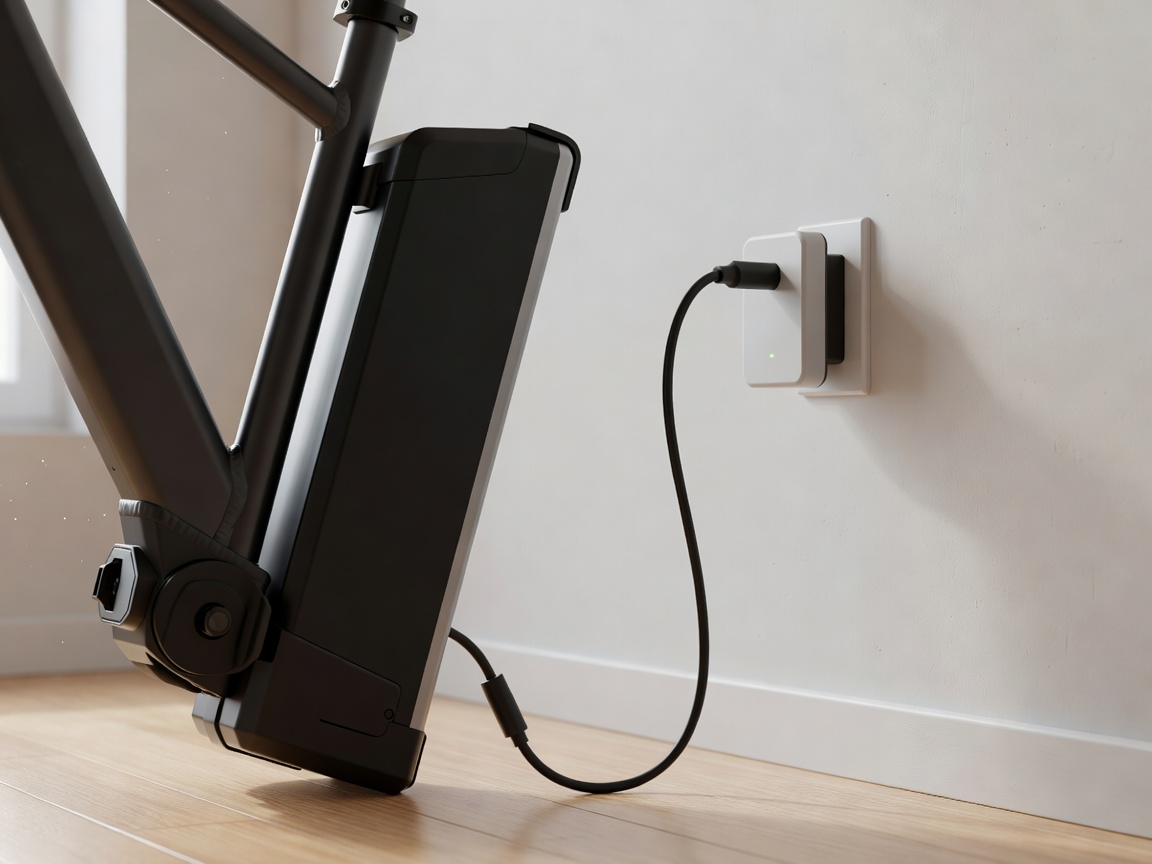
The beating heart of any electric bike is its battery. Navigating the specifications of volts (V), amp-hours (Ah), and watt-hours (Wh) can be overwhelming, but understanding these metrics is the key to managing range anxiety and preserving the lifespan of your investment.
The Watt-Hour Rule
To determine the true capacity of an e-bike battery, look at the Watt-hours (Wh). This is calculated by multiplying Voltage by Amp-hours. For example, a 48V, 14Ah battery provides 672 Wh. As a general rule of thumb, you can expect roughly 1 mile of range for every 15 to 20 Watt-hours consumed under normal pedaling conditions. High-quality cells from manufacturers like Panasonic and Samsung ensure steady voltage delivery as the pack drains.
Factors Impacting Your Range
Your actual mileage will vary wildly based on several kinetic factors:
- Assist Level: Riding in "Turbo" or utilizing a throttle exclusively will drain a battery 3x faster than riding in "Eco" mode.
- Terrain & Elevation: Climbing the foothills of Denver requires significantly more power than cruising a flat coastal path.
- Rider Weight & Cargo: Heavier loads demand more motor torque, increasing amp draw.
- Temperature: Lithium-ion batteries perform poorly in freezing temperatures. Storing and charging your battery indoors during winter is highly recommended.
Battery Management Systems (BMS)
Modern e-bikes are equipped with a BMS—a vital electronic brain inside the battery pack. The BMS protects the cells from overcharging, deep discharging, and overheating. It also balances the charge across individual cells. Adhering to European standard EN 15194, a quality BMS is what prevents catastrophic battery failures and extends the total lifecycle of the pack to roughly 500-1000 charge cycles before noticeable degradation occurs.